
.png)


















By Category
Tutoring Options
Find the Right Tutor
Find a Tutor.png)
The Future of Online Learning: Why Digital Education is the New Standard in 2026
Explore how AI, personalized learning, online tutoring, and digital education are transforming the future of learning worldwide.
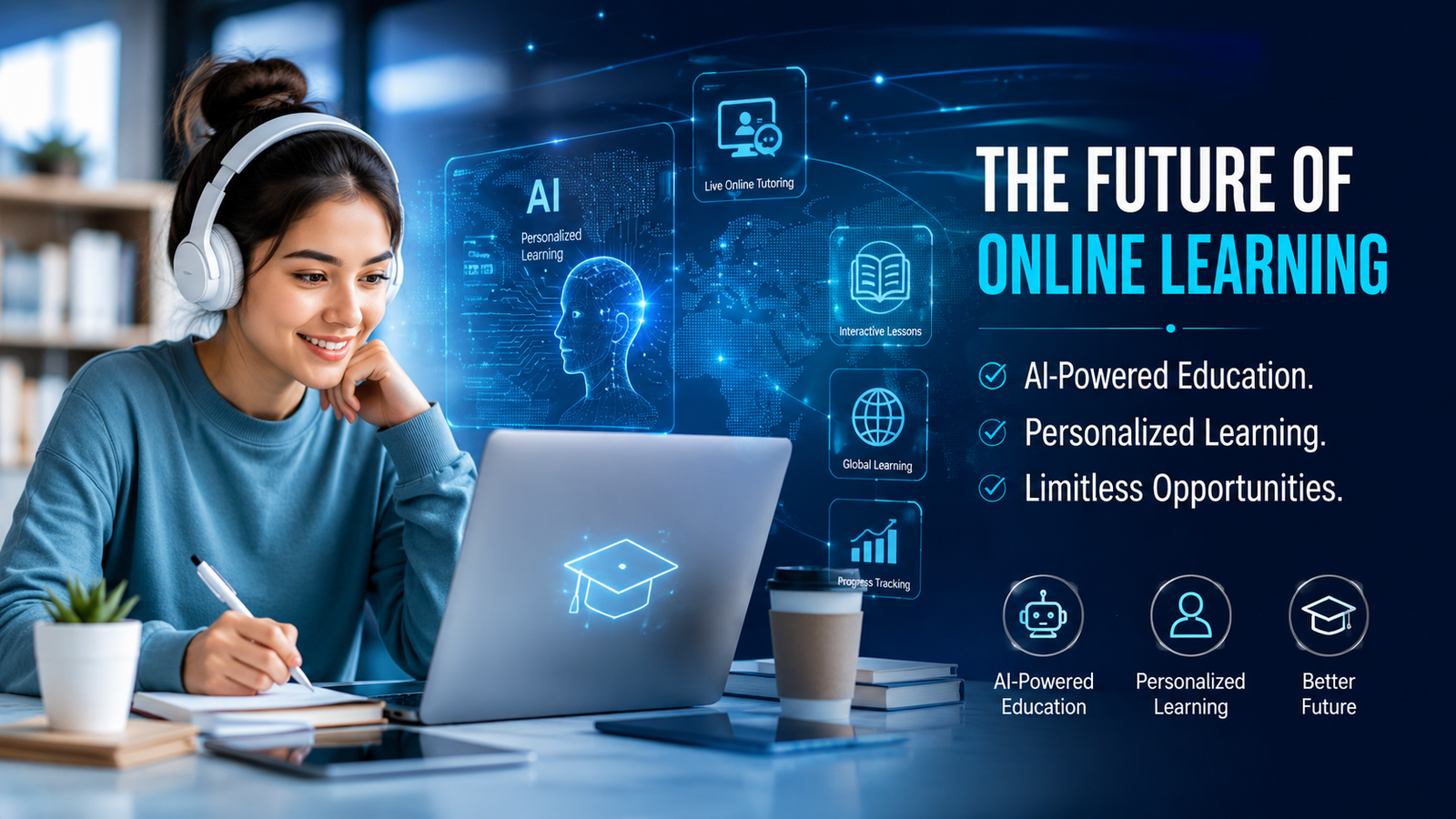 Discover the future of online learning in 2026. Explore AI-powered education, personalized learning, and why students prefer digital education.
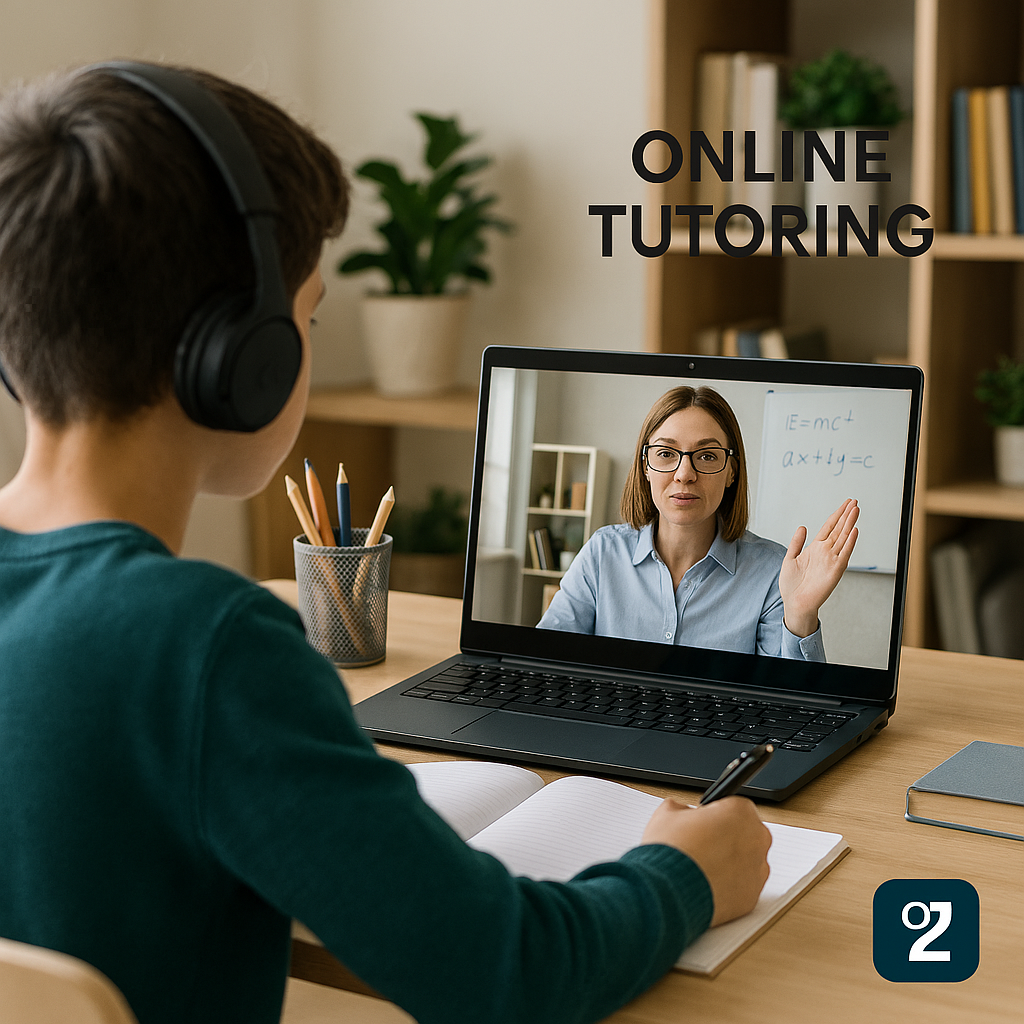
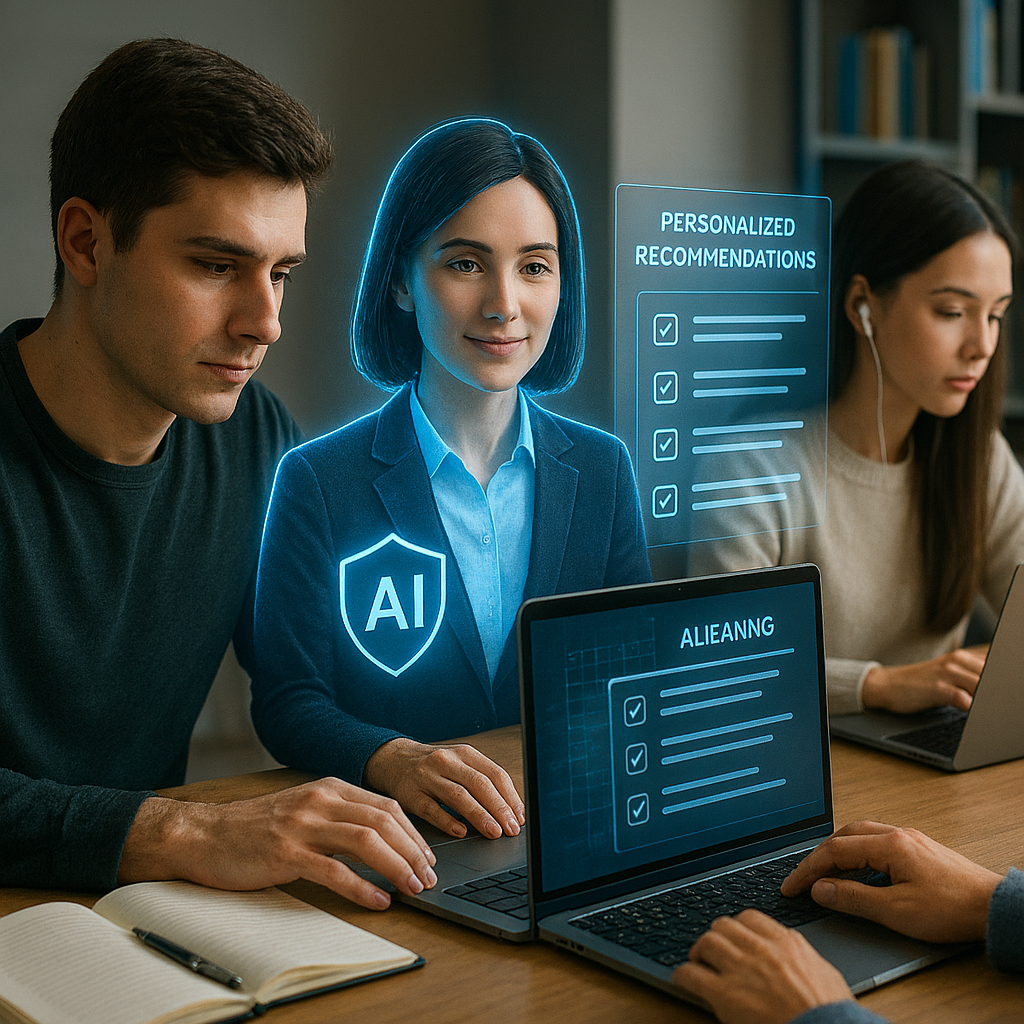


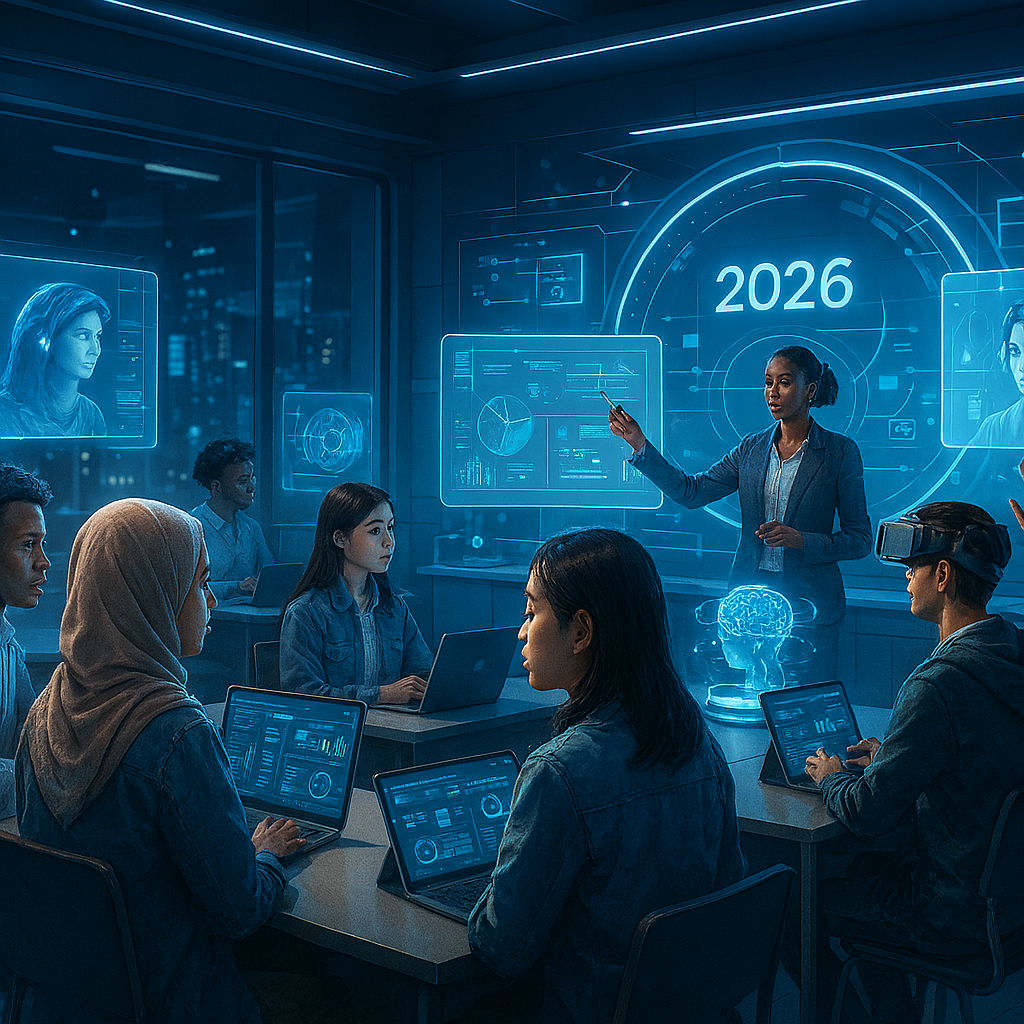 The Future of Online Learning: Why Digital Education is the New Standard in 2026
The classroom door hasn’t just opened; it has vanished.
A decade ago, "online learning" was often viewed as a secondary option—a backup plan for those who couldn't attend a physical campus. Today, the narrative has flipped. In 2026, digital education isn't just an alternative; it is the primary engine for global skill acquisition, academic excellence, and professional development.
From AI-driven personalized learning paths to global online tutoring services that connect a student in London with a specialist in Singapore, the boundaries of education are being rewritten. But what exactly is driving this shift? Why are millions of students abandoning the rigid structures of traditional brick-and-mortar institutions for the fluid, tech-enabled world of an online learning platform?
In this comprehensive guide, we explore the state of digital education today, the emerging trends for 2026, and how platforms like Edufluxa are leading the charge in this educational revolution.
What is the Future of Online Learning? (Defining the Landscape)
The future of online learning is defined by "Hyper-Personalization." We are moving away from the "one-size-fits-all" curriculum that has dominated education for centuries.
Digital education today encompasses a vast ecosystem:
LMS (Learning Management Systems): Centralized hubs like Edufluxa that host content, track progress, and facilitate communication.
Synchronous Learning: Real-time, live interactions via video conferencing.
Asynchronous Learning: Self-paced modules that allow students to learn on their own schedule.
Hybrid Models: A blend of physical interaction and digital resources.
According to recent data, the global E-learning market is projected to surpass $460 billion by 2026. This growth is fueled by the realization that digital platforms can offer a level of precision in teaching that a 30-student physical classroom simply cannot.Key Trends Shaping Digital Education in 2026
To understand why students are choosing this path, we must look at the technological and pedagogical shifts currently taking place.
AI for Personalized Learning
Artificial Intelligence is the "secret sauce" of modern education. Unlike a human teacher who must divide their attention, AI-driven algorithms can analyze a student’s performance in real-time. If a student struggles with algebraic fractions, the online learning platform automatically adjusts the difficulty level and provides supplementary resources. This ensures no student is left behind and no student is held back.
Gamification and Immersive Tech (AR/VR)
The "boredom" factor is being eliminated. Through gamification (leaderboards, badges, and points) and Virtual Reality (VR), students can take "field trips" to Ancient Rome or simulate complex chemistry experiments without a physical lab.
Micro-credentials and Skill-Based Learning
The era of the four-year degree being the only path to success is ending. Students are now opting for "stackable" credentials—short, intensive courses that provide specific, job-ready skills. This "micro-learning" approach is highly efficient for professional development.Why Students are Choosing Online Education: The Core Benefits
The transition to digital is driven by practical, student-centric benefits that traditional institutions struggle to match.
Feature Traditional Education Online Education (e.g., Edufluxa)
Flexibility Fixed schedules & locations Learn anywhere, anytime
Pace Determined by the group Determined by the individual
Cost High (Commute, housing, fees) Low to Moderate (No commute/housing)
Customization Standardized curriculum Highly personalized paths
Access Limited to local faculty Global expert access
Flexibility and Autonomy
The modern student is often a "multitasker." Whether they are professional athletes, working students, or parents, the ability to log into a professional learning solution at 9 PM is a game-changer.
Accessibility and Inclusivity
Digital education levels the playing field. A student with physical disabilities or those living in remote rural areas can access the same high-quality English learning provider or academic support as someone in a major metropolis.
The Rise of Specialized Online Tutoring Services
One-on-one attention remains the gold standard of education. Edufluxa’s online tutoring services bring elite academic support directly to the student’s screen, offering a safe, focused environment where students feel more comfortable asking questions than they might in a crowded lecture hall.The Challenges of Online Learning (And How to Overcome Them)
While the future of digital education is bright, it is not without hurdles. Recognizing these challenges is the first step toward mastering them.
The Digital Divide: Not every student has high-speed internet. Solution: Platforms are optimizing for low-bandwidth and mobile-first access.
Self-Discipline Requirements: Without a physical bell ringing, students need higher motivation. Solution: Interactive LMS features and "nudge" notifications keep learners on track.
Social Isolation: The lack of "hallway talk." Solution: Integrated community forums, group projects, and live "coffee hours" on platforms like Edufluxa help build a sense of belonging.Case Study: Edufluxa as a Catalyst for Success
Edufluxa is not just another website; it is a comprehensive online tutoring platform and LMS provider designed for the modern age.
For Schools: Edufluxa provides the infrastructure to take entire curriculums digital.
For Language Learners: As a premier English learning provider, it uses immersive techniques to build fluency faster.
For Professionals: It offers professional learning solutions that fit into a busy corporate schedule.
By focusing on the "human" element of digital tech, Edufluxa ensures that while the delivery is digital, the connection is real.Pro Tips for Succeeding in a Digital Learning Environment
If you are transitioning to online education, follow these best practices:
Treat it like a "Real" Class: Set a dedicated time and space for your studies.
Engage with the Community: Don't just watch videos. Participate in forums and live sessions.
Leverage Support: If your platform offers online tutoring services, use them. One hour with an expert can save ten hours of confusion.
Master Digital Literacy: Familiarize yourself with the LMS tools early on to maximize your efficiency.Key Takeaways
Hybridity is King: The future isn't just online; it's a blend of digital efficiency and human interaction.
AI is a Partner: AI for personalized learning is making education more effective and less frustrating.
Skills Over Stamps: Employers are increasingly valuing what you know over where you went.
Accessibility: Online education is the ultimate tool for global equity in learning.Summary: The New Era of Knowledge
The future of online learning is no longer a distant vision—it is our current reality. As we move through 2026, the reliance on digital education will only deepen. For the student, this means more freedom. For the educator, it means more data to help students succeed. For the world, it means a more educated, skilled, and connected population.
Whether you are seeking academic support, professional growth, or a new language, the digital path is paved with opportunity. Platforms like Edufluxa are here to guide you every step of the way.
FAQ Section (Optimized for Featured Snippets)What is the future of online learning in 2026?
The future is centered on AI-driven personalization, immersive VR experiences, and micro-credentials that focus on specific career skills rather than broad degrees.Is online education as effective as traditional learning?
Research shows that online learning can be more effective because it allows for personalized pacing and immediate feedback, which are often missing in large traditional classrooms.What are the main benefits of online learning for students?
Key benefits include schedule flexibility, lower costs, access to global tutors, and the ability to learn in a comfortable, customized environment.How does AI help in personalized learning?
AI analyzes a student's strengths and weaknesses to provide custom resources, adjust lesson difficulty, and predict where a student might need extra help before they even fail a quiz.Why are online tutoring services growing in popularity?
They offer convenient, high-quality, one-on-one academic support that is easily accessible from home, making it easier to fit into busy family schedules.Can I get a job with a digital education certificate?
Yes. Modern employers, especially in tech and creative industries, prioritize skills and portfolio evidence over traditional degrees.What is an LMS provider?
A Learning Management System (LMS) provider like Edufluxa offers the software platform used to deliver, track, and manage educational courses and training programs.Is online learning suitable for young children?
Yes, when used with interactive, age-appropriate content and adult supervision, online learning can provide excellent foundational skills in literacy and numeracy.How do I stay motivated during an online course?
Set clear goals, create a dedicated study space, and choose a platform like Edufluxa that offers interactive elements and community support to keep you engaged.What is the "Digital Divide" in education?
It refers to the gap between students who have access to modern technology and high-speed internet and those who do not. Bridging this gap is a major focus for future educational policy.

Admin

Comments
Subscribe to Our Newsletter


Additional Links
Login Register Contact Certificate Validation Become Instructor About Terms and PoliciesContact US
© 2026 Edufluxa. All Rights Reserved. Empowering Learning Worldwide.


Reply to Comment